

Long ago primitive sharks had ridges running down their sides from gill to tail. Later, muscles grew into the folds, and eventually the central portion of each ridge receded while the ends enlarged to form fins both fore and aft. All was well.
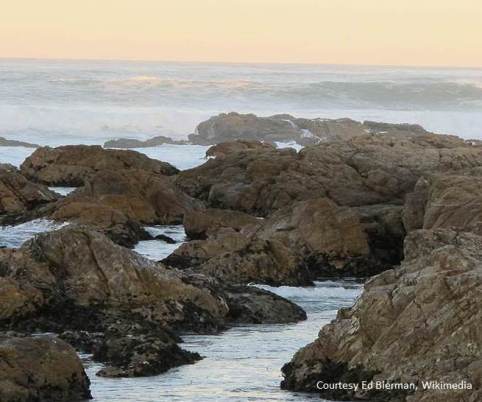

For many generations thereafter, that fish’s offspring went back to the pool and progressively got better at moving across the rocky surfaces on their fins. Some even started squirming short distances overland from pool to pool. They developed pockets in their throats that could absorb oxygen directly from the air, which was far more efficient than deriving oxygen from moving water through their gills. Not only was breathing more efficient on terra firma, but also plant food was abundant and there were no predators. The fish slowly developed stronger skeletons, waterproof skin, and longer fins. They now walked and hopped and only returned to the water when they laid eggs. Amphibians were born. Birds and reptiles were next; the sequence is under some dispute, but those fins were now assuming various shapes to facilitate flying, running, and even fighting. For now there were competitors.


Some mammals found life on the land too dangerous or competitive and went underground. Moles, with strong tunneling tools for upper limbs, are particularly well adapted for this life. An extra bone, which at first glance looks like a sixth finger, widens the hand.
A few mammals found a special niche by taking to the air. Bats still have five digits, but they are as thin as the elephants’ are thick. The thumb retains a claw useful for crawling, and the index and middle fingers are fused together to form the primary strut. Thin webs of skin stretch from fingertip to fingertip to provide tools for flight.
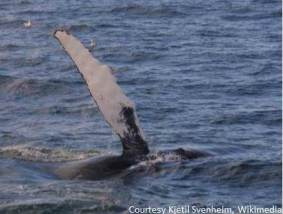

Then there are human hands—not really that good for anything. We can’t bear hundreds of pounds of pressure on them while we pull down trees with our noses. We can’t walk on them for weeks across hot sand or run a mile in two minutes on our fingernails. Nor can we flap our elbows and fly, swim the oceans for our entire lives, or burrow across the neighbor’s lawn. Ah, but here is the beauty of the human hand—not terribly good at any one thing, but pretty good at a lot of things. We can bear some weight on them and we can swim a little. If we need to run we can use our feet. This frees our hands to use tools rather than to be tools. Need to dig? Pick up a shovel. Need to cut? Grab scissors. Need to fly? Build an airplane or reserve a ticket online. Even fly away for a fishing vacation. Just respect the fins on those scaly creatures you catch and know that you share some ancestors.
(Excerpted from The Hand Owner’s Manual. A Hand Surgeon’s Thirty Year Collection of Important Information and Fascinating Facts)


